

Topics Covered at a Glance
The World Economic Forum (WEF) has long served as a global platform where political leaders, business executives, academics, and civil society representatives converge to discuss the world’s most pressing challenges. While the annual gathering in Davos often attracts attention for the high-profile participants it hosts, its real significance lies in its ability to identify emerging trends and shape the global economic conversation.
As someone who has followed the World Economic Forum for many years, I have observed how discussions that initially appeared theoretical often evolved into mainstream policy priorities. Themes such as climate finance, digital transformation, stakeholder capitalism, supply chain resilience, and artificial intelligence first gained prominence through forums like Davos before becoming central to government strategies and corporate agendas worldwide.
As we approach World Economic Forum 2026, global leaders face an increasingly complex environment characterized by geopolitical uncertainty, technological disruption, demographic shifts, climate challenges, and evolving economic structures. Understanding these trends is critical for policymakers, investors, businesses, and cities seeking to position themselves for long-term success.
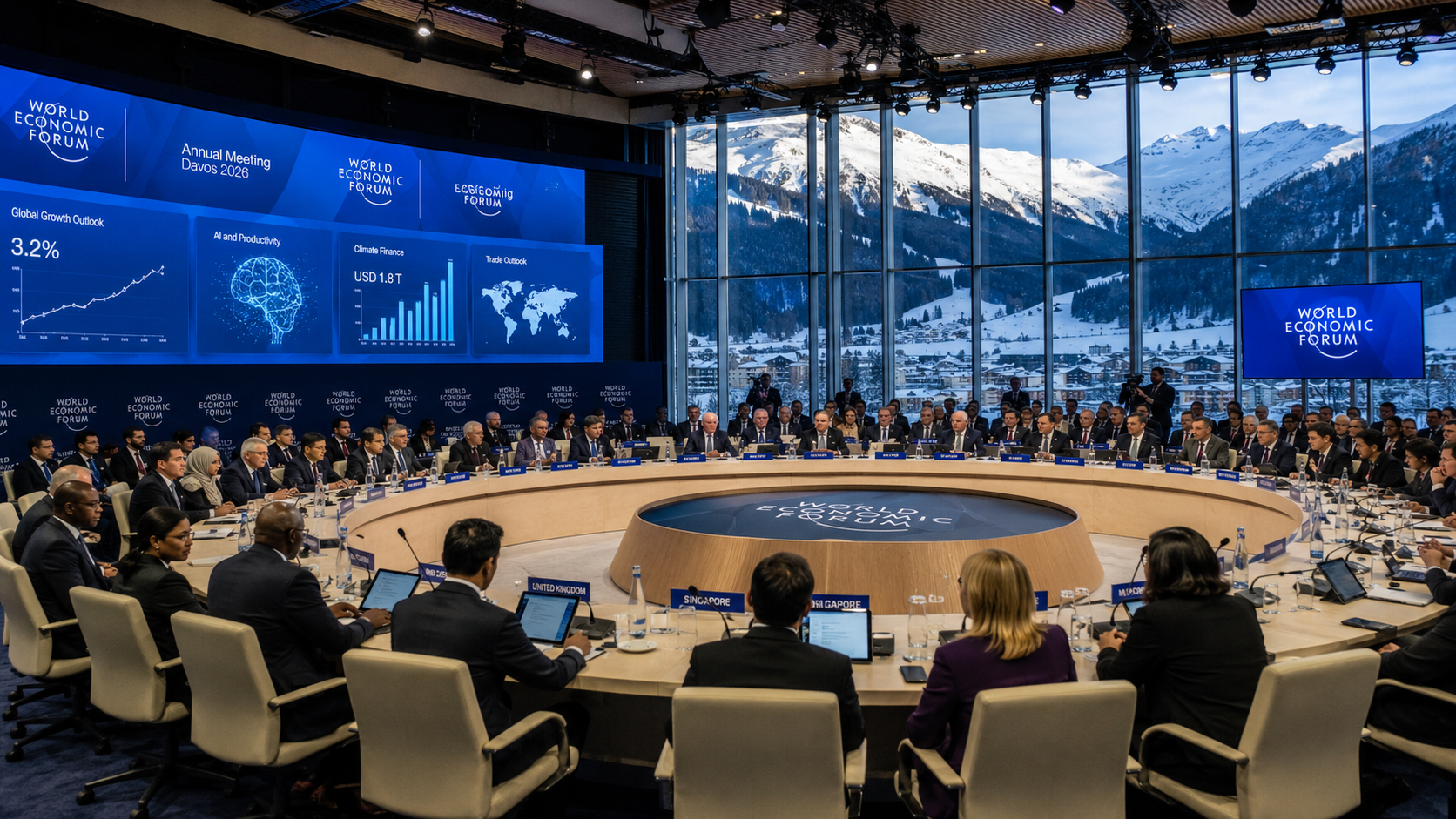
Why World Economic Forum 2026 Matters
The significance of World Economic Forum 2026 extends beyond the annual meeting itself. The forum serves as a leading indicator of future policy directions, investment priorities, and emerging economic opportunities.
Several factors make this edition particularly important:
- The global economy is entering a new phase of technological transformation driven by artificial intelligence.
- Climate commitments are transitioning from pledges to implementation.
- Geopolitical tensions continue to reshape trade and investment patterns.
- Urban areas are becoming the primary engines of economic growth.
- Labor markets are experiencing unprecedented shifts due to automation and demographic change.
The discussions emerging from World Economic Forum 2026 are likely to influence policy decisions, corporate strategies, and investment flows for years to come.
The Global Economic Outlook in 2026
Growth Prospects
Global growth remains resilient despite significant challenges. According to projections from international organizations such as the International Monetary Fund (IMF) and World Bank, the world economy is expected to maintain moderate growth, although performance will vary considerably across regions.
Advanced economies continue to face slower growth due to aging populations and productivity constraints. Meanwhile, emerging economies in Asia, the Middle East, and parts of Africa remain important contributors to global expansion.
One of the most notable developments heading into World Economic Forum 2026 is the increasing divergence between countries successfully adopting new technologies and those struggling to enhance productivity.
Inflation and Interest Rates
The inflationary pressures that dominated global discussions during the early 2020s have moderated. However, central banks remain cautious.
Many economies now face a delicate balancing act:
- Supporting economic growth.
- Maintaining price stability.
- Managing public debt burdens.
- Addressing financial market vulnerabilities.
Interest rate trajectories will remain a central topic at World Economic Forum 2026, particularly given their implications for investment, housing markets, and public finances.
Trade and Globalization
Globalization is not disappearing; rather, it is evolving.
Companies increasingly pursue “friend-shoring,” “near-shoring,” and supply chain diversification strategies to reduce geopolitical risks. This shift is creating new opportunities for countries capable of positioning themselves as reliable production and logistics hubs.
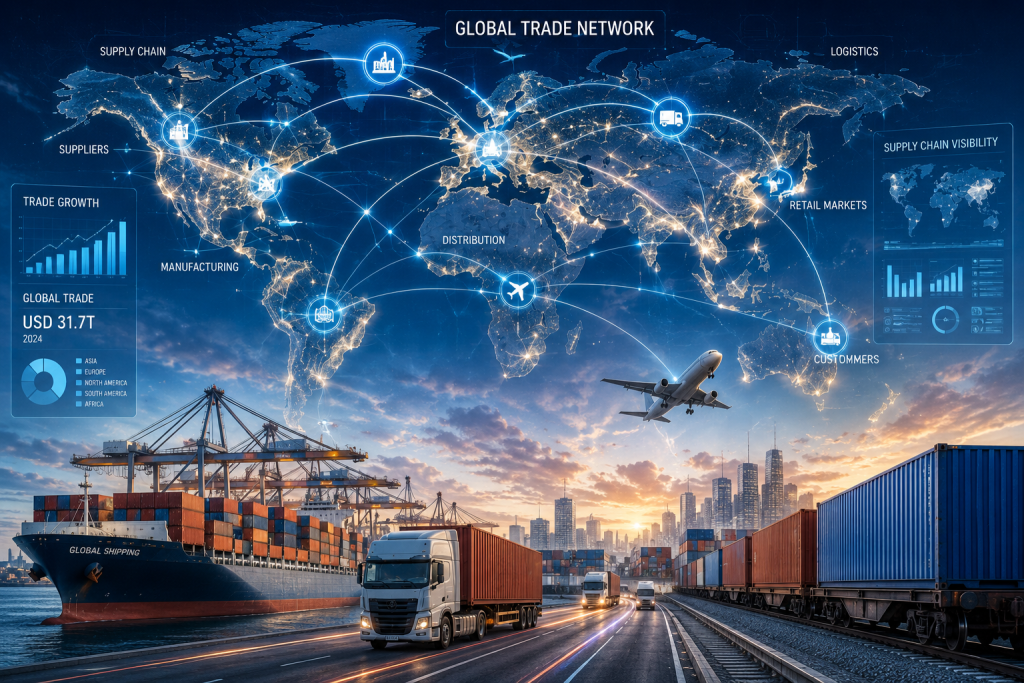
Five Key Trends Shaping Growth at World Economic Forum 2026
Artificial Intelligence and Productivity
Artificial intelligence has moved beyond experimentation and entered the implementation phase.
For economists, the critical question is no longer whether AI will transform economies but how quickly productivity gains will materialize.
The potential benefits include:
- Higher labor productivity.
- Improved public service delivery.
- Enhanced business efficiency.
- Accelerated innovation cycles.
Countries investing heavily in digital infrastructure, data governance, and AI skills are likely to capture disproportionate benefits.
At World Economic Forum 2026, discussions will focus on balancing innovation with regulation while ensuring broad-based economic gains.
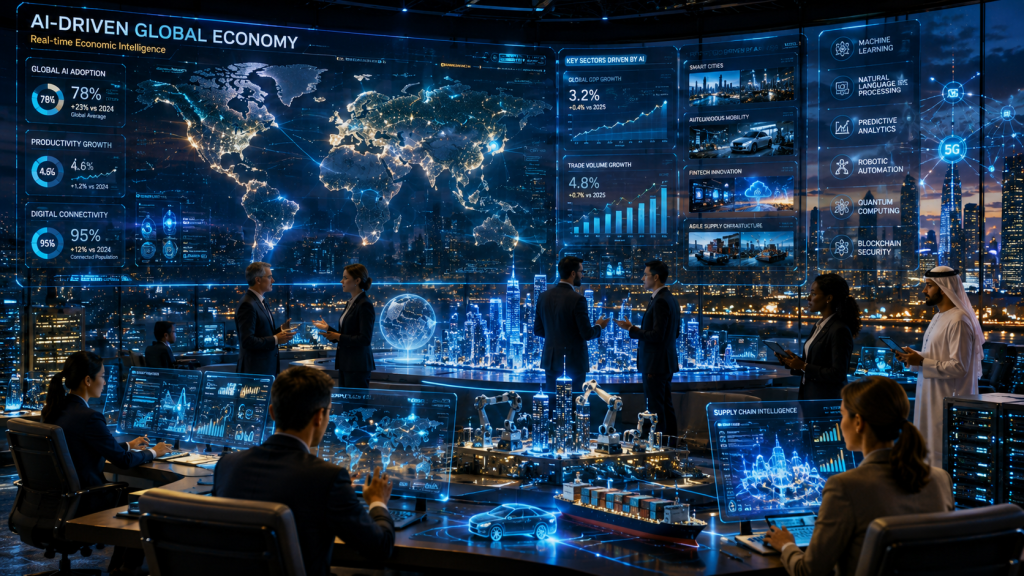
Strategic Implication
Organizations that successfully integrate AI into their operational models may experience significant competitive advantages, while laggards risk losing market relevance.
Energy Transition and Climate Finance
Climate action is increasingly becoming an economic imperative rather than solely an environmental objective.
Global investment in renewable energy, green infrastructure, sustainable transportation, and climate adaptation continues to accelerate.
Major themes expected at World Economic Forum 2026 include:
- Green hydrogen development.
- Carbon markets.
- Sustainable finance.
- Climate risk disclosure.
- Energy security.
The transition toward low-carbon economies represents one of the largest investment opportunities of the century.
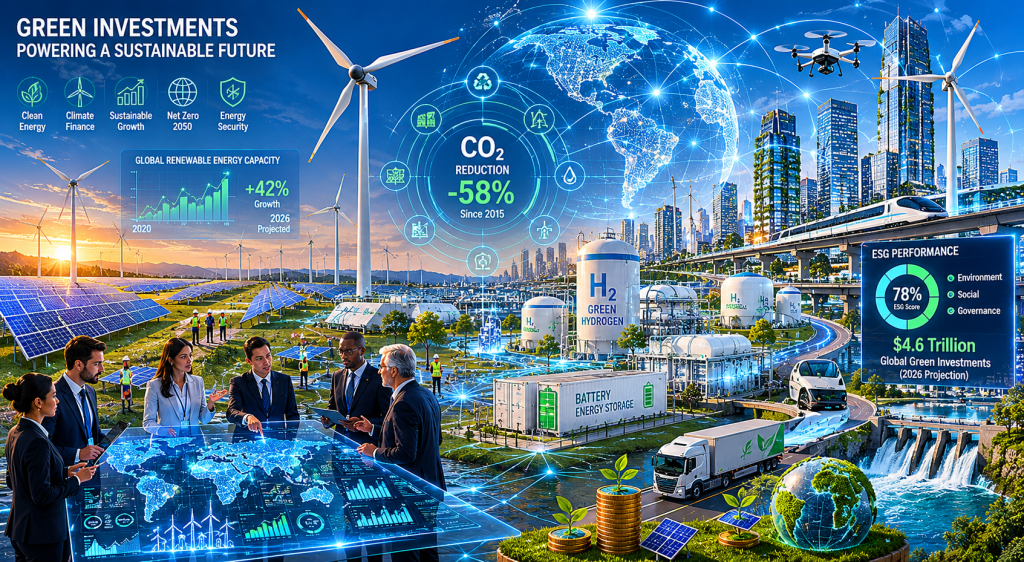
Strategic Implication
Regions capable of attracting climate-related investments will likely experience stronger economic diversification and job creation.
Geoeconomic Fragmentation and Supply Chains
Geopolitical competition continues to reshape international economic relationships.
The era of highly concentrated global supply chains is gradually giving way to more diversified and resilient networks.
Businesses increasingly evaluate:
- Political stability.
- Regulatory reliability.
- Energy availability.
- Logistics connectivity.
- Workforce quality.
This trend creates opportunities for strategically located economies capable of serving as regional production and distribution hubs.
Strategic Implication
Resilience has become as important as efficiency in supply chain decision-making.
Urbanization and Smart Cities
Cities remain the primary engines of economic growth and innovation.
As an urban economist, I consider this one of the most consequential themes likely to emerge from World Economic Forum 2026.
By 2050, nearly 70% of the world’s population is expected to live in urban areas. This transformation will require significant investment in:
- Housing.
- Transportation.
- Utilities.
- Digital infrastructure.
- Public services.
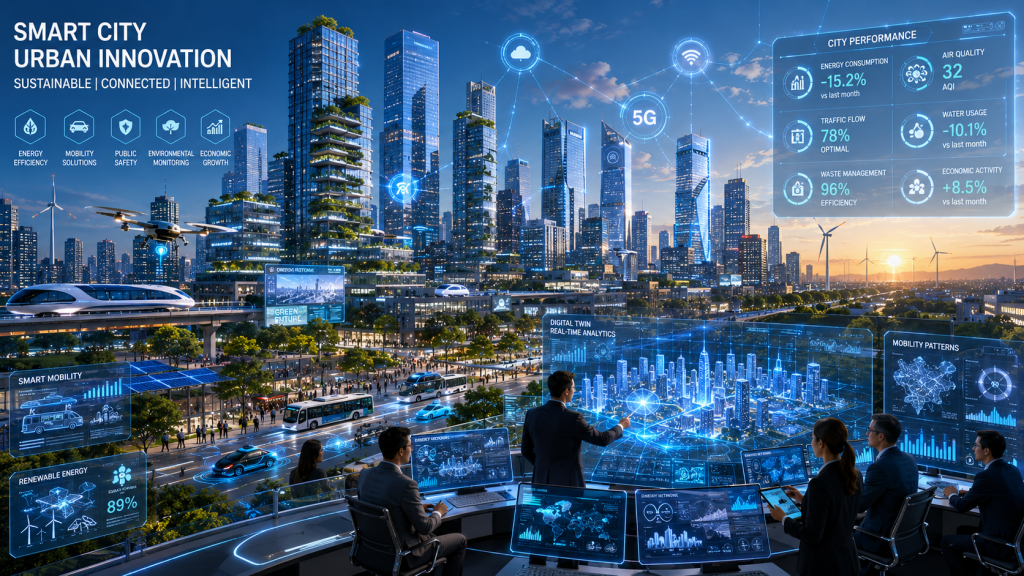
Smart city technologies are helping urban areas improve efficiency, sustainability, and quality of life.
Strategic Implication
Cities that effectively integrate technology, sustainability, and economic development strategies will attract talent and investment.
Human Capital and Future Skills
Technological change is reshaping labor markets faster than many education systems can adapt.
Employers increasingly seek workers with:
- Digital literacy.
- Analytical thinking.
- AI-related competencies.
- Problem-solving capabilities.
- Adaptability.
The future workforce will require continuous learning rather than traditional one-time educational pathways.
At World Economic Forum 2026, human capital development is expected to remain a central topic because economic competitiveness increasingly depends on workforce capabilities.
Strategic Implication
Investments in skills development may deliver higher long-term returns than many physical infrastructure projects.
Comparison Table – Opportunities vs Risks
| Trend | Opportunity | Risk | Expected Impact |
|---|---|---|---|
| Artificial Intelligence | Productivity gains | Job displacement | Very High |
| Climate Finance | New investments | Transition costs | High |
| Supply Chain Diversification | Economic resilience | Higher costs | High |
| Smart Cities | Improved urban efficiency | Funding constraints | Medium-High |
| Workforce Transformation | Greater competitiveness | Skills shortages | High |
What Governments Should Do
Governments seeking to capitalize on trends highlighted by World Economic Forum 2026 should prioritize:
Invest in Human Capital
Education and workforce development must align with future labor market needs.
Accelerate Digital Infrastructure
Broadband access, cloud computing capabilities, and digital public services are becoming essential economic infrastructure.
Promote Sustainable Development
Governments should create policy frameworks that encourage private-sector participation in green investments.
Strengthen Economic Resilience
Diversified economies are better positioned to withstand external shocks.
What Businesses and Investors Should Watch
Businesses should monitor several emerging developments closely.
First, AI adoption will increasingly separate industry leaders from followers.
Second, climate-related investments are creating entirely new markets and revenue streams.
Third, geopolitical developments continue to influence supply chain decisions and investment strategies.
Investors attending or following World Economic Forum 2026 discussions should pay particular attention to sectors benefiting from long-term structural shifts rather than short-term cyclical trends.
Implications for Emerging Economies
Emerging economies face both opportunities and challenges.
Countries with favorable demographics, strong institutions, and strategic geographic locations can attract significant investment flows resulting from supply chain diversification.
Meanwhile, those that fail to invest in digital infrastructure and workforce development risk widening productivity gaps.
The Middle East offers an interesting example. Economic diversification programs across the region increasingly emphasize technology, sustainability, logistics, tourism, and advanced manufacturing—areas expected to feature prominently at World Economic Forum 2026.
For policymakers in developing countries, the challenge is not merely participating in global growth but positioning their economies to capture a larger share of future value creation.
The Future Beyond World Economic Forum 2026
The themes likely to dominate World Economic Forum 2026 point toward a world economy undergoing profound structural transformation.
Artificial intelligence is redefining productivity. Climate investment is reshaping capital allocation. Supply chain restructuring is altering trade patterns. Urbanization is creating new economic hubs. Human capital is emerging as the ultimate competitive advantage.
From my perspective as an economist who has followed global development trends for many years, the most important lesson is that growth increasingly depends on adaptability. Nations, cities, businesses, and individuals that embrace innovation while maintaining resilience will be best positioned to thrive.
Ultimately, World Economic Forum 2026 will not merely reflect global economic change—it will help shape the conversations, partnerships, and policy decisions that determine the trajectory of growth throughout the coming decade.
